Posts

Showing posts with the label Latte

The Dream of the Guam Museum Turns 100

Image
  2026 is the 100-year anniversary of the dream of the Guam Museum for the Chamoru people, at least as far as we know. What does that mean historically and what does that mean for this year? The October 1926 edition of the Guam Recorder, featured an article titled “Guam to Have a Museum.” It discussed how the Guam Teachers’ Association has taken up the issue of Guam’s culture and history disappearing at its September meeting, and that a call to the community would be made for the collection of artifacts and other materials. Ramon M. Sablan who would later to become the first Chamoru medical doctor was put in charge of organizing the collecting. The article mentions that the island’s 3,000 school children and also the Guam Militia would also be utilized to help stir up community interest and donations. It is unclear today how effective this effort was because the Guam Museum itself wasn’t started until several years later and under very different circumstances. But nonetheless t...

Chamoru Repatriation News

Image
Since I began working at the Guam Museum, repatriation of human remains, of artifacts, or cultural materials, has gone from being something that was just on a list of things that indigenous people struggle with in general, to something that is literally part of my job description.  For those unfamiliar with the term, since it can be used in different contexts, repatriation as I'm thinking of it here means the return of cultural properties, ancestral remains to their countries, their peoples, usually from museums, universities or other institutions. As the curation for the Guam Museum, part of what I do deal with seeking possibilities for repatriation of Chamoru artifacts and ancestral remains. Whether they have been taken away a few years ago or decades ago for research or some other reason.  (Rematriation is something I'll have to get into on another post. Less discussed, but critically important as we see the returning of artifacts, as less the end of a process, but an impor...

History of the Guam Museum Columns

Image
In 2022 while attending the first ever Native Hawaiian Pacific Islander Museum Institute (NHPIMI) in Hawai'i, I began to write a series of columns for the Pacific Daily News that covered some of the 90 year history of the Guam Museum.   In recent decades the Guam Museum has a fairly complicated history, where at times for years there was no actual museum, just a collection moving from storage space to storage space. Even at times when there has been a physical, dedicated facility for the museum, sometimes there has been insufficient staff or resources. Even legally where the museum falls within the Government of Guam as an agency has changed over the past forty years.  For these complicating factors, the columns focused on the museum's history from the 1930s to the 1970s.  ******************* “Can a Museum Being a Living Institution?” July 21, 2022   I am spending the month of July at the East-West Center as part of the historic first cohort for the Native...

Early History of the Marianas

Image
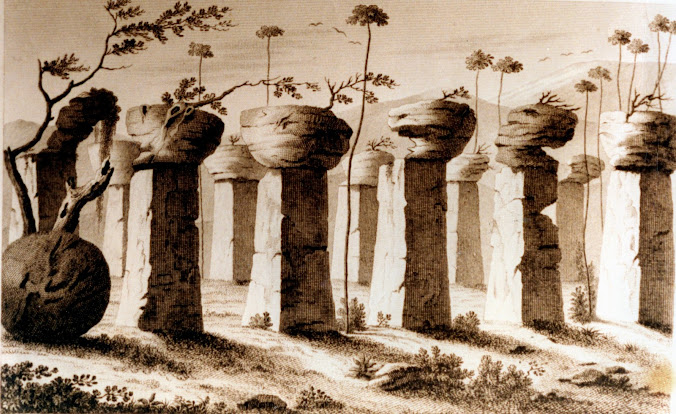
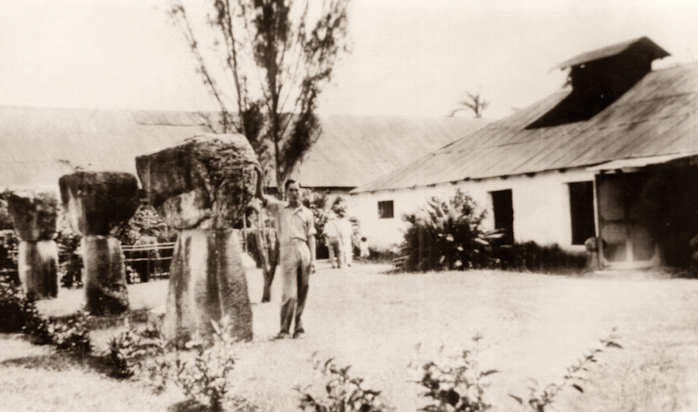
I islÃ¥-ta siha giya Marianas i fine’nana entre todu i islas Pasifuku ni’ masagÃ¥yi. I manmofo’na na mangguelo-ta mantekngo’ put bÃ¥tko yan i tasi ya maasusuma na manmanaliligao nuebu na lugÃ¥t ni’ para u ma sagÃ¥yi anai manmÃ¥tto mÃ¥gi.   Annai ma tutuhon i mangguelo-ta manmañaga guini, ma usa todu klÃ¥sen rikesa gI isla para u ma fÃ¥’tinas i ramientan-ñiha para i gualo’ yan peska, yan lokkue’ ma fÃ¥’tinas Ã¥tmas siha para u maprutehi i guinahan-ñiha.   Guihi na tiempo, duru machalapon siha gi todu isla ya maestablisa songsong siha giya interu Marianas.   Yanggen guaha ira komu pÃ¥kyo pat tiempon fañomak’an guaha na ma dingu i lugÃ¥t-ñiha para otro na isla para nengkanno' yan liheng. Mit años tÃ¥tte guaha matulaika gi hagas payon-ta, i hinalom fama’Ã¥yan yan i acho’ latte.   Uniku i gima’latte giya Marianas tiot guihi na tiempo annai guaha dÃ¥ngkolo na tinilaika yan hinanao taotao.   I latte un simbilon i menhalom-ta. Komo i haligi para gima’ mangguelo-ta, ha repr...

MÃ¥ngge si Levesque?

Image
 If anyone knows how I can contact Rodrigue Levesque, please let me know.  He researched, translated and published the History of Micronesia series, which is an amazing set of primary source documents dealing with Micronesia. It is a collection of information that has yet to be fully incorporated into how we tell the history of our islands.  The books, when they were published were gof guaguan, very expensive, at least $100 each. But they were massive. When I was a graduate student at UOG, spending time at the University of Guam Micronesian Area Research Center, I loved reading through the lepblon Levesque siha.  They featured completely different perspectives from the traditional or canonical history of the Marianas, but using not just the official histories or accounts of events, but also letters by priests, government officials, soldiers and sailors, that he was able to collect in his research.  A few years ago Levesque finished his History of Micronesia seri...

Hale'-ta Hike: Litekyan

Image
Throughout the year, Independent GuÃ¥han organizes "HÃ¥le'-ta Hikes," aimed at bringing the community into the island's historic and culturally sacred sites, in hopes of helping them understand the need to protect them. The last hike happened earlier this year to Litekyan. We had a huge crowd of people show up. Here are some of my pictures from the day. GefpÃ¥go na ha'Ã¥ni, esta gof annok gi litrÃ¥tu siha.  *************************************

Finaisen put Iya Hagåtña

Image
Every week I get at least one request for an interview, several requests each week for information related to Guam history or the Chamoru language. Sometimes the requests can become a bit much, as I'm not able to get back to everyone. And sometimes I've responded to people close to a year later (ai lokkue'). But if I had more time I would respond to everyone I could, since the knowledge that I have or have access to, is useless unless there are ways it can get out to others.  After I gave a guest lecture in an English rhetoric class last year, one of the students contacted me asking for some help on understanding HagÃ¥tña and its contemporary and historical place in Guam. I appreciated her wanting to know more about a village that most everyone takes for granted nowadays on Guam. So I wrote up responses to her 8 questions. Here they are below. ******************** 1. What makes Hagatna unique from other villages?  What makes HagÃ¥tña unique is that because...